

Introduction
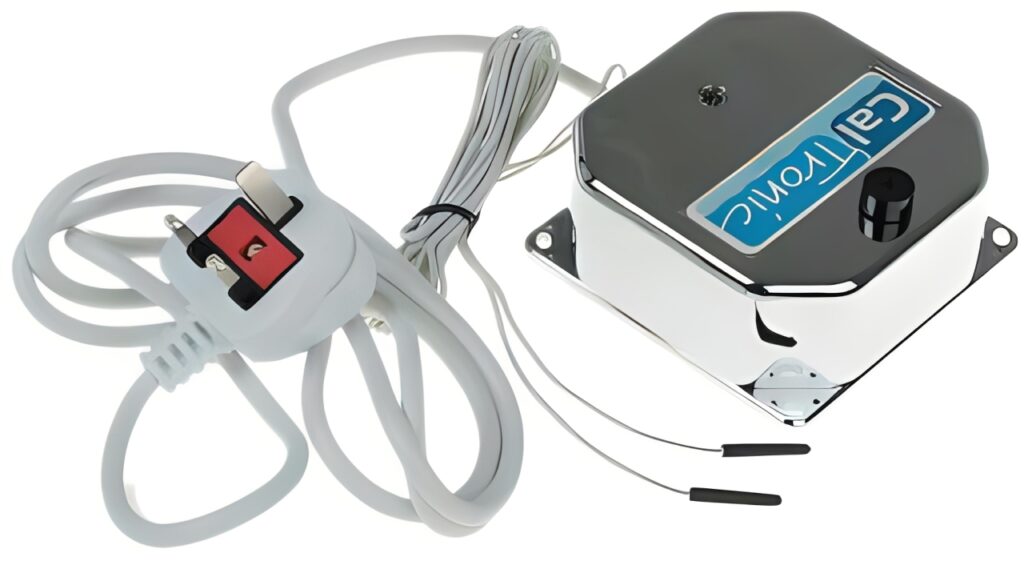
A Calmag Scale Inhibitor is a practical solution for reducing limescale problems in homes, offices, workshops, and commercial water systems. It helps protect boilers, pipes, taps, showers, and appliances by limiting the build-up of hard mineral deposits caused by calcium and magnesium in water.
Hard water can look harmless at first. However, over time, it may leave chalky marks on fittings, reduce water flow, and make heating systems work harder. Therefore, installing a scale inhibitor can help maintain cleaner plumbing and more efficient equipment performance.
As a result, many property owners use this type of device to support long-term protection of their water systems without making major plumbing changes.
What Makes Hard Water a Common Problem?
Hard water contains dissolved minerals that naturally pass through the water supply. These minerals are mainly calcium and magnesium. When the water is heated, evaporates, or sits inside pipework, the minerals can form limescale.
Limescale often appears as a white or off-white crust around taps, shower heads, sinks, and kettles. However, the more serious issue is hidden inside boilers, cylinders, pipes, and appliances.
Once scale forms inside a system, it can reduce efficiency and cause ongoing maintenance problems. In some cases, it may also affect sensors, switches, controllers, and thermal equipment that depend on stable water movement or temperature control.
How a Calmag Scale Inhibitor Helps
A Calmag Scale Inhibitor works by treating the water before it reaches important appliances or heating equipment. Many models are designed to condition minerals so they are less likely to stick to internal surfaces.
This means calcium and magnesium can remain suspended in the water instead of forming hard deposits. Consequently, pipes, heating elements, valves, and fittings can stay cleaner for longer.
The device is commonly installed on the cold-water supply near a boiler, water heater, or the main appliance feed. Correct placement helps the unit protect the areas most likely to suffer from scale formation.
Main Reasons to Use a Scale Inhibitor
Using a scale inhibitor can bring several practical benefits. It is especially useful in areas where hard water affects everyday plumbing and appliance performance.
Helps Maintain Boiler Efficiency
Boilers are highly vulnerable to scale because they heat water continuously. When limescale coats heating surfaces, heat transfer becomes less effective.
This can increase energy demand and reduce performance. A Calmag Scale Inhibitor helps reduce scale build-up, which supports more consistent boiler operation and may help lower long-term strain on the system.
Protects Household Appliances
Washing machines, dishwashers, kettles, and water heaters can all be affected by hard water. Scale can coat heating elements, block small channels, and reduce working efficiency.
By reducing mineral deposits, the inhibitor helps appliances run more smoothly. It may also reduce the need for frequent descaling and cleaning.
Supports Cleaner Pipework
When scale builds up inside pipes, the internal space for water flow becomes smaller. This may lead to reduced pressure, uneven flow, or noisy operation.
A scale inhibitor helps limit this build-up. Therefore, water can move more freely through the system, supporting better overall reliability.
Reduces Visible Limescale Marks
Hard water often leaves marks on taps, shower screens, sinks, and fittings. These marks can make surfaces look dull and require regular cleaning.
Although a scale inhibitor may not remove all visible marks, it can slow down how quickly they appear. This makes routine cleaning easier and less time-consuming.
Ideal Applications for a Calmag Scale Inhibitor
A Calmag Scale Inhibitor is useful across many environments where hard water causes problems. It can support both domestic and light commercial systems.
Common uses include:
• Boiler protection
• Hot water systems
• Washing machines
• Dishwashers
• Shower units
• Kitchen plumbing
• Water heaters
• Small commercial wash areas
• Workshop water supplies
• Heating and cooling equipment
In technical spaces, careful installation is important. Water treatment equipment should be kept safely away from cables, electronics, contactors, fuses, LEDs, capacitors, microcontrollers, microprocessors, laptops, and exposed connectors unless proper protection is in place.
Calmag Scale Inhibitor for Technical Systems
Water quality can affect more than household appliances. In workshops, laboratories, and light industrial areas, mineral deposits may interfere with water-fed tools, pumps, controllers, valves, and thermal systems.
For example, cooling circuits may rely on steady flow to move heat away from equipment. If scale collects inside narrow channels, thermal performance can drop. This may affect systems using thermal pads, sensors, controllers, or other monitoring parts.
Similarly, mineral build-up can affect grips, fittings, switches, and small mechanical parts exposed to water. Therefore, scale control helps support equipment safety, cleaner operation, and better maintenance planning.
What to Check Before Buying
Choosing the right inhibitor helps ensure better results. Before selecting a model, users should consider the system layout, water hardness, and flow requirements.
Water Hardness Level
Areas with very hard water may need stronger scale control. If limescale appears quickly on taps or appliances, a scale inhibitor can be a valuable preventive choice.
Pipe Size and Fittings
The device must fit the pipework correctly. Incorrect sizing can cause leaks, pressure issues, or poor performance.
Flow Rate
A unit should match the water demand of the property or system. Higher flow applications may need a product designed for larger volumes.
Maintenance Requirements
Some scale inhibitors need replacement cartridges, while others require very little routine service. Always check the maintenance guidance before installation.
Installation Best Practices
A Calmag Scale Inhibitor should be installed where it can treat water before it reaches key equipment. In many cases, this means fitting it to the mains cold water supply before the boiler or water heater.
For best results, the installation should follow the product instructions. If pipework needs cutting or modification, a qualified installer is usually recommended.
Important installation points include:
• Fit the device in the correct flow direction
• Use suitable tools for secure connections
• Check for leaks after installation
• Keep the area accessible for inspection
• Avoid placing it near unsafe electrical wiring
• Follow all safety guidance from the manufacturer
Proper installation helps the scale inhibitor perform effectively and reduces the risk of future plumbing issues.
Scale Inhibitor vs Water Softener
A scale inhibitor and a water softener solve hard water problems in different ways. A water softener usually removes calcium and magnesium by exchanging them with other minerals. This creates softer water and can reduce soap scum.
In contrast, a scale inhibitor usually keeps the minerals in the water but changes how they behave. This helps prevent them from forming hard deposits inside pipes and appliances.
A scale inhibitor is often more compact and easier to install. However, a water softener may be preferred when users want fully softened water. The best choice depends on water quality, budget, available space, and performance expectations.
Simple Maintenance Tips
After installation, basic maintenance can help keep the water system working well. Even if the device is low maintenance, regular checks are still useful.
Helpful care steps include:
• Inspect fittings for leaks
• Replace cartridges if required
• Clean taps and shower heads
• Check appliance performance
• Monitor changes in water flow
• Keep nearby oils and chemicals away from plumbing seals
• Service boilers and heaters as recommended
These actions support safer operation and help reduce unexpected repair costs.
Final Thoughts
A Calmag Scale Inhibitor is a useful choice for reducing limescale in hard water systems. It helps protect boilers, appliances, taps, pipes, and heating equipment by limiting mineral build-up before it becomes a bigger problem.
Moreover, it supports better water flow, improved efficiency, and easier maintenance. Whether used in a home, office, workshop, or light commercial setting, it can play an important role in long-term plumbing protection.
By choosing the right model, installing it correctly, and checking it regularly, users can manage hard water more effectively and keep essential systems running more reliably.
