

Understanding Optical Sample Handling, Material Selection and Reliable Spectroscopic Workflows
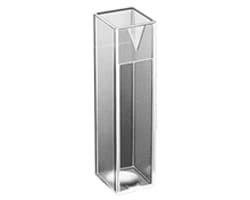
Accurate sample measurement is essential in analytical science, where even small variations can influence research outcomes. Cuvettes And Cells are specialised laboratory containers designed to hold samples during optical analysis, allowing instruments to measure how substances interact with light. Their precision design, controlled optical properties and compatibility with analytical systems make them essential tools in chemistry, biotechnology, environmental testing and pharmaceutical laboratories.
From measuring chemical concentrations to studying biological samples, cuvettes and cells provide a controlled environment that helps researchers achieve consistent and reproducible analytical results.
What Are Cuvettes And Cells Used For?
Cuvettes and cells are small transparent containers used in analytical instruments where light passes through a sample during measurement.
They are commonly used in applications involving:
- Absorbance measurements
- Fluorescence analysis
- Chemical concentration testing
- Protein and biological sample studies
- Optical research procedures
The main purpose of a cuvette is to hold a sample in a fixed position while allowing accurate interaction between the sample and the instrument’s light source.
Unlike standard laboratory containers, cuvettes are manufactured with specific optical characteristics to minimise interference and improve measurement reliability.
Why Is Optical Quality Important?
In spectroscopic analysis, the container holding the sample becomes part of the measurement system.
Any imperfections, contamination or unsuitable material properties may affect how light passes through the sample.
Important optical characteristics include:
- Transparency across required wavelengths
- Consistent path length
- Low background interference
- Surface quality
- Material compatibility
A high-quality cuvette helps ensure that measured changes are caused by the sample rather than by the container itself.
This is particularly important when analysing low-concentration samples or performing sensitive measurements.
How Do Cuvettes Support Spectroscopy Applications?
Spectroscopy depends on measuring interactions between matter and electromagnetic radiation.
Spectroscopy And Spectrometry includes analytical techniques where accurate sample presentation is critical.
Cuvettes support these workflows by providing a stable environment for the sample during measurement.
They are commonly used in:
- UV-visible spectroscopy
- Fluorescence spectroscopy
- Photometric analysis
- Chemical identification procedures
Selecting the correct cuvette according to the analytical technique helps researchers reduce measurement errors and improve data quality.
The Relationship Between Cuvettes And Spectrophotometers
Spectrophotometers are widely used instruments for measuring how much light a sample absorbs or transmits.
Spectrophotometers rely on properly designed sample holders to obtain accurate readings.
The cuvette acts as the connection between the prepared sample and the instrument. If the cuvette material is unsuitable for the wavelength being measured, the results may become unreliable.
For this reason, laboratories must consider:
- Instrument specifications
- Required wavelength range
- Sample characteristics
- Cuvette material
- Measurement purpose
The correct combination of instrument and cuvette helps create a dependable analytical workflow.
How Does Cuvette Material Affect Performance?
Different applications require different cuvette materials.
Common options include:
Glass Cuvettes
Glass cuvettes are often used for visible-light applications where chemical resistance and durability are important.
Quartz Cuvettes
Quartz provides excellent optical transparency in ultraviolet regions, making it suitable for UV-based measurements.
Plastic Cuvettes
Disposable plastic options can be useful for routine measurements where convenience and contamination control are priorities.
The choice should always match the analytical requirements because each material has different optical and chemical characteristics.
Why Is Sample Preparation Important Before Measurement?
A well-designed cuvette cannot compensate for poor sample preparation.
Before placing samples into a cuvette, laboratories should ensure that solutions are properly prepared and free from unwanted particles or contamination.
Important preparation steps include:
- Removing suspended materials
- Ensuring correct sample concentration
- Mixing solutions properly
- Avoiding air bubbles
- Using clean containers
Sample quality directly affects measurement accuracy because impurities may absorb or scatter light and create incorrect readings.
The Role of Pipettes in Cuvette-Based Analysis
Accurate sample transfer is essential when working with small measurement volumes.
Pipettes (Glass And Single-Use) support controlled transfer of liquids into cuvettes during analytical procedures.
Precise pipetting helps laboratories:
- Maintain consistent sample volumes
- Reduce preparation errors
- Improve measurement repeatability
- Handle limited sample quantities effectively
The combination of accurate liquid handling and suitable cuvettes creates a more reliable analytical process.
Cuvettes In Biological Research
Cuvettes are widely used in biological laboratories where optical measurements provide information about biological samples.
Applications may include:
- Measuring cell growth
- Monitoring protein concentration
- Studying enzyme activity
- Evaluating biological reactions
In microbiology workflows, optical measurements are often used to monitor changes in sample density or biological activity.
Microbiology laboratories frequently rely on accurate sample handling because biological materials can change rapidly under different conditions.
Maintaining Cuvette Accuracy Through Proper Handling
Because cuvettes are precision components, correct handling is essential.
Recommended practices include:
- Cleaning after every use
- Avoiding scratches on optical surfaces
- Handling with appropriate care
- Inspecting for damage
- Storing safely when not in use
Fingerprints on transparent surfaces can interfere with light transmission, so handling should focus on keeping optical areas clean.
Reusable cuvettes require suitable cleaning procedures to maintain their performance over time.
How Do Laboratory Glassware Products Support Cuvette Workflows?
Cuvette-based analysis often requires preparation steps before measurement.
Solutions may need to be mixed, diluted or stored before transfer into the analytical container.
Laboratory Glass Vessels Consumables support these preparation processes by providing suitable containers for handling chemicals and samples.
Using compatible laboratory vessels before measurement helps reduce contamination risks and improves workflow organisation.
Common Problems During Cuvette Measurements
Several issues can affect analytical accuracy.
Air Bubbles
Bubbles interrupt the light path and may create inaccurate readings.
Dirty Optical Surfaces
Residues or fingerprints can interfere with measurement.
Incorrect Material Selection
A cuvette that does not match the wavelength range may absorb unwanted light.
Sample Inconsistency
Poor mixing or incorrect concentration can affect results.
Recognising these issues allows laboratories to improve measurement reliability.
Selecting the Right Cuvette For Your Application
The correct cuvette depends on several factors:
- Analytical technique
- Required wavelength range
- Sample volume
- Chemical compatibility
- Reusable or disposable requirements
- Instrument design
Careful selection ensures that the cuvette supports rather than limits the analytical method.
Improving Laboratory Measurement Reliability
Cuvettes and cells may be small laboratory components, but their role in analytical accuracy is significant. They provide controlled sample environments that allow instruments to measure chemical and biological properties with greater confidence.
By combining suitable cuvettes with accurate sample preparation, reliable liquid handling and compatible analytical equipment, laboratories can improve consistency and obtain more dependable results.
From research laboratories to industrial testing facilities, cuvettes and cells continue to support modern scientific analysis by enabling precise optical measurement across a wide range of applications.
