

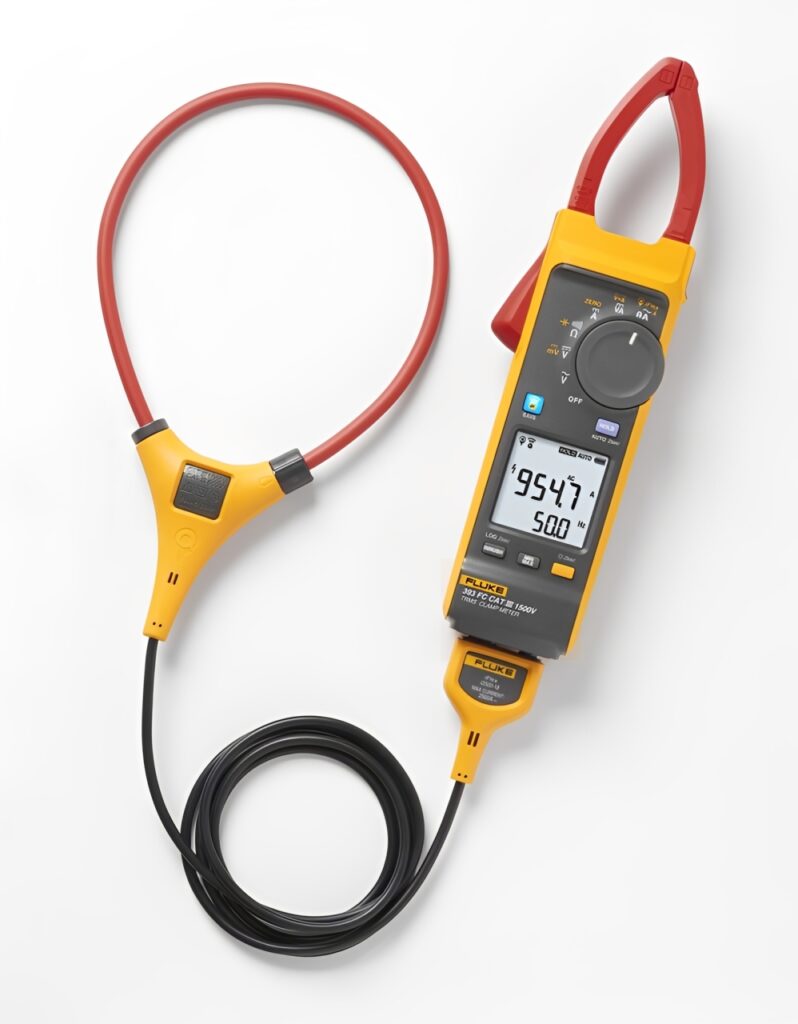
Fluke-393/E Clamp Meter: What Makes It a Smart Choice?
The Fluke-393/E Clamp Meter helps electricians and maintenance teams verify current and voltage without slowing the job. Because modern panels blend electronics, controllers, and sensitive loads, you need clear readings you can trust. With the Fluke-393/E Clamp Meter, you can clamp around cables, confirm load conditions, and take actions that support safety and uptime.
Where the Fluke-393/E Clamp Meter Fits on the Job
In real facilities, problems rarely appear in perfect conditions. Instead, you deal with tight cabinets, mixed wiring, heat, and schedules that do not wait. A clamp meter becomes valuable when you can measure current quickly and still keep good working practices.
This tool supports routine inspection and troubleshooting. It is useful for verifying feeder loads, checking branch circuits, and confirming whether a circuit is energized before you open equipment.
Common tasks technicians handle
Typical use cases include:
- Checking current draw on motors and pumps to spot overload conditions
- Comparing phases to find imbalance before it stresses contactors or insulation
- Confirming voltage at terminals, switches, and disconnects after maintenance
- Verifying continuity and basic wiring conditions during commissioning
When you do these checks consistently, you reduce call backs and build a clearer maintenance history.
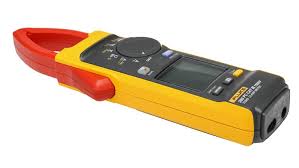
Safer Measurements in Crowded Panels
Safety is not only about PPE. It is also about using tools that help you work with control and predictability. Clamp measurement can reduce exposure, because you can often measure current without breaking the circuit.
However, procedure still matters. Confirm the meter category rating matches the environment, use leads in good condition, and keep your grips steady. Also route test leads away from sharp edges and avoid contact with live conductors.
Practical safety habits that improve results
- Inspect leads, probes, and the clamp jaw before each shift
- Use proper lockout and tagout even when readings look stable
- Treat any unusual reading as a reason to pause and re check
- Keep the workspace clean so cables are not pulling or twisting
In addition, clean routing and labeling make troubleshooting faster and less risky.
Faster Fault Finding with Current and Voltage Checks
Time is limited during outages. Therefore, you need results that are easy to interpret. A clamp meter gives fast feedback on whether current is present and how it changes under load. That insight points you toward likely causes such as a failing capacitor in a motor circuit, a loose connector, or a control issue in a drive system.
Because many faults are intermittent, validate readings more than once. Measure under normal operation, then measure during start up, and compare.
Patterns that help you narrow the problem
Look for signals such as:
- One phase drawing higher current than the others
- Current that spikes when a controller output changes state
- Unexpected current on a circuit that should be off, which can indicate leakage or wiring errors
These patterns help you focus on the right area before you replace parts.
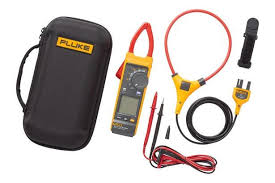
Working Around Electronics, Sensors, and Heat
Many systems place sensors, microcontrollers, and protection devices close to higher current conductors. As a result, measurement technique matters. Identify the load path, choose safe access points, and avoid disturbing connectors while you test.
Heat can also change performance. If a cabinet runs hot, note airflow, dust buildup, and the condition of thermal pads or heat sinks on power modules. If you have access to a thermal check, use it to confirm whether a hotspot aligns with an abnormal current reading.
Combine readings with quick visual checks
- Heat discoloration near terminals, fuses, or switches
- Loose or oxidized connectors in control and power circuits
- Damaged insulation or rubbed cable jackets in trays
- LEDs on drives or control boards that indicate trips or warnings
When you connect these observations to measurements, you move from guessing to evidence.
Field Setup That Keeps Readings Consistent
Your results depend on setup. Clean contact points, correct probe placement, and organized routing all reduce error. Also make sure your test cables are rated for the environment and stored well, especially if you work around oils or moisture.
A small, organized kit helps you stay consistent. Keep spare lead tips, common adapters for tight terminals, and a simple way to record readings. That habit is useful when you return to the same panel weeks later.
A Repeatable Troubleshooting Flow for Real Sites
A single reading is helpful, but a pattern is more powerful. Therefore, follow a repeatable flow that fits most electrical tasks:
- Identify the circuit and confirm the work scope
- Verify voltage and confirm correct connection points
- Clamp current on the relevant conductor and compare phases
- Check related components such as fuses, switches, and contactors
- Re test after corrective actions and document the final state
This sequence prevents skipped steps and supports clear decisions, even when you work under pressure.
Summary: Confident Diagnostics with the Right Clamp Meter
The Fluke-393/E Clamp Meter is a practical choice when you need quick current checks, clear voltage verification, and steady results in the field. It supports safer workflows, because you can measure many conditions without opening circuits. It also supports better maintenance, because you can spot imbalance, overheating risks, and component issues before they become downtime.
When you combine accurate measurement with good habits, clear documentation, and awareness of electronics and thermal conditions, you turn site checks into reliable actions that keep systems running and keep people safe.
