

Introduction
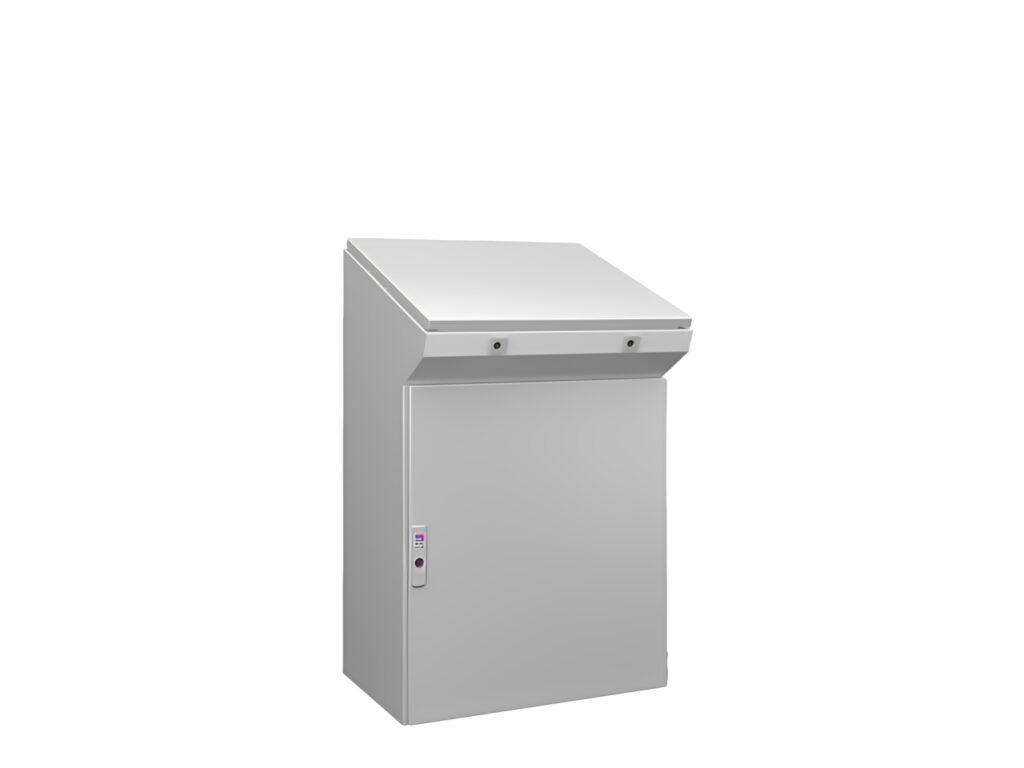
A Rittal Floor Standing Enclosure is built to protect and organise industrial equipment where reliability, access, and long service life matter. When your panel includes sensitive electronics, dense wiring, and heat producing components, the enclosure becomes more than a box. It becomes the foundation for uptime, safety, and efficient maintenance.
In this guide, you will learn how to select a Rittal Floor Standing Enclosure that fits your application, supports cable routing, manages thermal loads, and helps your team work faster. You will also see how accessories and layout decisions can improve performance across real control cabinet builds.
Why floor standing enclosures are used in industrial builds
Floor standing enclosures are chosen when you need more internal space, higher component density, or stronger environmental protection than wall mounted options. They are common in manufacturing, utilities, automation, energy, and process facilities.
A well planned enclosure supports clean cable paths, clear separation between power and signal, and a layout that reduces troubleshooting time. As a result, your controllers and protection devices run cooler, faults become easier to trace, and expansions are simpler.
They are also ideal for integrating mixed technology such as power distribution, contactors, industrial switches, PLC controllers, and safety devices in one organised cabinet.
Key selection factors for a Rittal Floor Standing Enclosure
Size and internal layout planning
Start with the equipment list, then work out a layout that supports airflow and service access. Allow space for wiring ducts, bending radius, and future additions.
Consider these layout points:
- Reserve space for cable entry plates and routing channels for cables
- Separate high power devices from sensitive sensors and control wiring
- Leave room for service access around fuses, switches, and terminals
- Allocate spare space for future upgrades like additional controllers or network modules
This approach helps when you add extra connectors, IO expansion, or additional safety circuits later.
Material, durability, and long term protection
Rittal enclosures are often selected for robust build quality and consistent fit across accessories. Material choice depends on the environment.
In dry indoor areas, standard coated steel is often sufficient. In harsh environments, corrosion resistance and sealing become more important. Always match the enclosure rating to your site conditions, including dust levels, washdown requirements, and exposure to oils or airborne particles.
If your plant uses coolants or lubricants, confirm compatibility. Some environments include fine mists of oils, and better sealing helps protect internal electronics and grips on door handles remain reliable in regular use.
Environmental sealing and safety goals
Safety is not only about compliance. It is about reducing risk during routine work like inspections and component replacement.
A strong enclosure strategy should support:
- Controlled access for authorised staff
- Clear labelling zones for circuits, contactors, and isolators
- Effective bonding and earthing practices
- Physical protection against accidental contact with live parts
When you design with safety in mind, you reduce downtime and protect technicians during maintenance.
Thermal management that protects performance
Heat is one of the most common reasons industrial electronics fail early. Even reliable components such as a capacitor bank, power supplies, and drives suffer when temperatures rise.
Thermal planning should consider both heat generation and heat removal. Dense builds with microcontrollers, PLC controllers, network switches, and power contactors often need active cooling or improved ventilation design.
Practical thermal improvements include:
- Maintain clear airflow paths across the mounting plate
- Keep high heat devices spaced to avoid hotspots
- Use proper cut outs and blanking plates to control air movement
- Add accessories that support thermal management where required
Also consider the placement of temperature sensors for monitoring. When sensors are mounted correctly, your control system can adjust fans, alarms, or load conditions before damage occurs.
Thermal pads can be useful in certain electronics assemblies, but for industrial cabinets, overall airflow and device spacing usually have the biggest impact.
Cable management and connectivity that speeds up maintenance
Good cable routing reduces installation time and makes future work far easier. Floor standing enclosures support larger cable volumes, but only if you plan entry points and internal pathways.
For clean wiring, focus on:
- Dedicated cable entry areas that match gland plates and conduits
- Separation between power and signal wiring to reduce interference
- Space for connectors, terminal blocks, and labelled harnessing
- Slack management to avoid strain on connectors during door movement
If you expect frequent modifications, choose layouts that allow easy access to wiring ducts. This is especially useful when adding sensors, updating electronics, or expanding IO.
In many facilities, cabinets also serve as hubs for machine data. That means additional network cables and ports, and sometimes links to equipment like laptops used by technicians for diagnostics.
Integrating control hardware inside the enclosure
A Rittal Floor Standing Enclosure is often used to house complete control systems, not just power distribution. This includes PLCs, relays, safety modules, and instrumentation.
Common internal components include:
- Controllers for automation and motion
- Power distribution hardware and protective fuses
- Contactors for motors and load switching
- Industrial switches for network segmentation
- Signal conditioning for sensors and transmitters
- Indicator LEDs for status and fault visibility
When integrating mixed components, use logical grouping. Put protection and isolation devices where technicians can reach them quickly. Keep signal electronics away from high power switching zones where possible.
Modern cabinets may also include embedded computing or gateways. In those cases, you may see microprocessors and microcontrollers inside industrial controllers, and the enclosure must support clean power and stable thermal conditions for reliable operation.
Accessories that improve real world usability
Accessories are not optional in a serious cabinet build. They help you build faster, keep wiring tidy, and simplify inspection.
Useful accessory categories include:
- Mounting plates and rails to standardise component placement
- Cable management ducts and brackets for consistent routing
- Door systems and internal lighting for safe servicing
- Filters, fan units, and cooling accessories for thermal control
- Earth bonding kits and safety hardware to support compliance
When the enclosure is planned well, technicians spend less time searching for circuits and more time resolving issues. That improves uptime and reduces the chance of mistakes during repairs.
Installation tips for long term reliability
Even the best enclosure will underperform if installation is rushed. Use the right tools, follow torque guidance, and keep a disciplined wiring standard.
Strong installation practices include:
- Verify enclosure levelling and anchoring for stable door alignment
- Seal cable entry points to maintain rating and reduce dust ingress
- Label wiring clearly for faster fault finding
- Keep documentation updated inside the cabinet pocket
If your environment includes vibration or frequent washdowns, check fasteners periodically and confirm seals remain intact.
Conclusion
Choosing a Rittal Floor Standing Enclosure is about matching space, protection, cooling, and serviceability to your application. When you plan layout, thermal performance, cable routing, and safety together, you get a cabinet that supports reliable electronics operation and simpler maintenance.
A well selected enclosure protects your controllers, contactors, switches, fuses, and connectors, while giving your team the access they need to work efficiently. As your system grows, the right enclosure strategy also makes upgrades smoother, whether you are adding sensors, new network links, or additional control modules.
