

Introduction
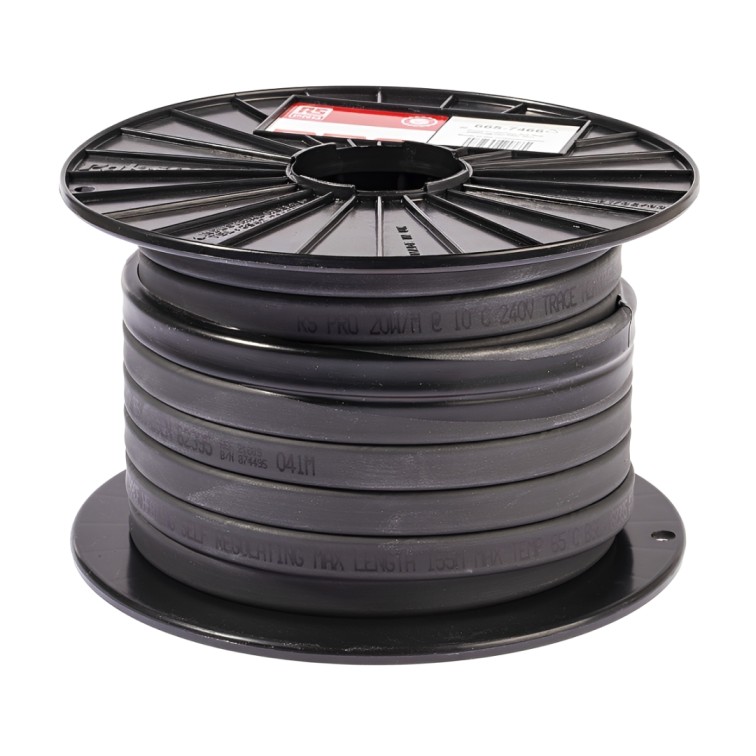
A Self-Regulating Trace Heating Kit is designed to protect pipes, tanks, valves, and other surfaces from freezing or excessive heat loss. It works by automatically adjusting its heat output according to the temperature around it. This makes it a dependable solution for environments where steady thermal performance, energy efficiency, and safety are all important.
In cold weather, exposed pipework can freeze, crack, or stop working properly. In industrial settings, temperature loss can also affect fluids, oils, and process performance. A Self-Regulating Trace Heating Kit helps reduce these risks by delivering controlled heat only where and when it is needed. As a result, it is widely used in homes, commercial buildings, and industrial installations that require reliable thermal protection.
The basic principle behind self-regulating trace heating
The key feature of this heating system is its ability to respond to changing temperatures along the cable itself. Unlike fixed-output heating cables that provide constant heat across the entire length, a self-regulating cable changes its output in real time.
When the surrounding temperature drops, the cable produces more heat. When the temperature rises, the cable lowers its heat output. This happens automatically without the need for constant manual adjustment. Because of this, the system becomes more efficient and better suited to variable conditions.
This built-in control is especially useful for installations where one part of the pipe may be colder than another. For example, outdoor pipe runs can pass through shaded areas, exposed corners, or enclosed spaces. A self-regulating cable reacts to each section independently, which improves consistency and helps avoid overheating.
Why this heating solution is widely used
A Self-Regulating Trace Heating Kit offers several benefits that make it suitable for many industries and environments. It is not only about keeping pipes warm. It is also about maintaining operational stability, supporting safety, and reducing long-term costs.
This type of system is often selected because it can:
- Help prevent pipes from freezing
- Maintain process temperatures in demanding environments
- Reduce heat loss from exposed surfaces
- Improve thermal efficiency
- Support safer building and industrial operations
- Lower the need for emergency repairs
Because the cable adjusts its output, it avoids unnecessary energy use in warmer conditions. Therefore, it can be a practical choice for sites looking to improve performance without relying on excessive power consumption.
Main parts of a Self-Regulating Trace Heating Kit
A complete kit usually includes more than just the heating cable. Every component plays a role in the overall performance and reliability of the system.
Self-regulating heating cable
This is the central part of the kit. It produces variable heat depending on local temperatures and is installed directly along the pipe or protected surface.
Power connection components
These parts connect the heating cable to the power source safely. High-quality connectors are essential because they help maintain stable electrical performance.
End seals and termination accessories
These protect the cable ends from moisture, dust, and mechanical damage. They are especially important in outdoor and industrial settings.
Control and protection devices
Many systems can be paired with sensors, switches, fuses, and contactors. These components help improve monitoring, circuit protection, and temperature control.
Installation accessories
Clips, grips, tapes, and support tools help secure the cable in the correct position. Insulation materials are also used to improve heat retention and overall efficiency.
How the system supports energy efficiency
Energy efficiency is one of the biggest reasons people choose self-regulating heating technology. Since the cable responds to actual surface temperature, it does not waste power by operating at full output all the time.
For example, a section of pipe exposed to harsh wind may need more heat than a section inside an insulated service area. A self-regulating cable adapts to those differences without forcing the whole system to work equally hard. This measured response helps reduce unnecessary energy use while still maintaining effective protection.
In many modern installations, the heating system may also work with controllers and sensors to improve overall system performance. These extra layers of control can help users track temperature conditions more accurately and respond more quickly when maintenance is needed.
Where trace heating kits are commonly installed
A Self-Regulating Trace Heating Kit is used in many sectors because temperature control affects far more systems than most people expect. It is commonly found wherever freezing or heat loss can damage materials, interrupt service, or create safety concerns.
Typical applications include:
- Domestic and commercial water pipes
- Roof and gutter de-icing systems
- Fire sprinkler lines in cold areas
- Industrial process pipework
- Tanks and storage vessels
- Valve stations and pump assemblies
- Frost protection for outdoor electronics cabinets
In process industries, stable temperatures are often important for handling liquids, oils, and other materials that must remain flowable or within a controlled temperature range. This makes trace heating valuable in manufacturing, utilities, transport, and site services.
The role of related components in advanced systems
Although the heating cable is the most visible part of the system, advanced installations may include a wider range of electrical and control equipment. Sensors provide temperature feedback, while controllers allow more precise adjustment and monitoring. Contactors and fuses help protect the circuit and support safe operation.
In some automated environments, trace heating systems may work alongside electronics, microcontrollers, controllers, and microprocessors that manage broader building or industrial functions. Status indicators such as LEDs can also be used to show whether circuits are active or whether maintenance is required.
Other supporting products may be nearby in complex electrical panels, including switches, capacitor-based circuit elements, cables, connectors, and thermal pads used for heat management in adjacent equipment. Although these parts do not replace the trace heating function, they may contribute to system integration and safe operation.
What to consider before choosing a kit
Not every heating kit is suitable for every task, so correct selection matters. The right choice depends on the application, temperature requirement, and site conditions.
Important factors include:
- Pipe size and material
- Total cable length required
- Expected minimum ambient temperature
- Desired maintenance temperature
- Moisture exposure
- Insulation type
- Electrical supply compatibility
- Required safety controls
It is also wise to consider installation conditions. Areas with heavy moisture, chemical exposure, or physical wear may require stronger protection and more durable accessories. The better the system is matched to the environment, the more reliable the results are likely to be.
Installation and maintenance best practice
Proper installation is essential for performance. The cable should be routed correctly, fixed securely, and sealed according to the product guidance. Insulation should be fitted carefully so that heat is retained without damaging the cable.
Routine inspection is also important. Even a well-installed system benefits from regular checks to confirm that seals, connectors, and control devices remain in good condition. Maintenance teams often review trace heating alongside related safety equipment, tools, and monitoring systems to ensure everything continues to operate effectively.
Final thoughts
A Self-Regulating Trace Heating Kit is an efficient and practical solution for freeze protection and temperature maintenance. Its ability to adjust heat output automatically makes it highly effective in changing conditions, while also supporting safety and energy control.
From residential pipework to industrial process lines, this system delivers consistent thermal protection where it matters most. For users who need reliable performance, reduced heat loss, and a safer operating environment, a self-regulating heating kit remains a smart and proven choice.
