

Introduction
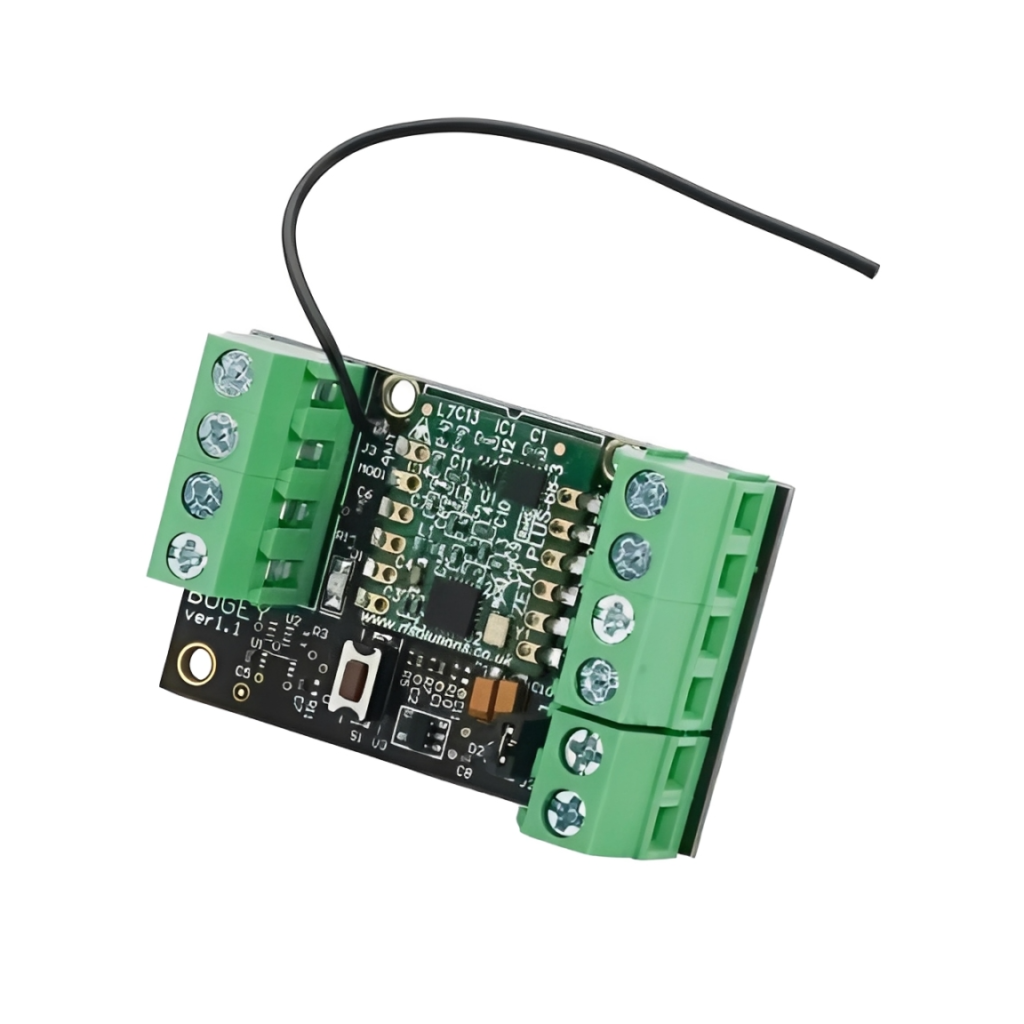
An RF Transmitter is an electronic device that sends information through radio frequency waves, allowing systems to communicate without direct physical cables. It is widely used in modern electronics because it supports fast, efficient, and reliable wireless transmission across many applications. From industrial sensors and remote controls to controllers and embedded devices, this technology helps connect equipment in a practical and flexible way.
As wireless communication becomes more common, the RF Transmitter continues to play a central role in both simple and advanced systems. It reduces the need for complex wiring, supports cleaner installation, and helps engineers design solutions that are easier to manage. In environments where mobility, safety, and signal efficiency matter, this component provides clear operational value.
What Is the Main Function of an RF Transmitter?
The main function of an RF Transmitter is to convert electrical information into radio frequency signals that can travel through the air to a receiver. This allows one device to send data, instructions, or status updates to another device without a direct wire between them. As a result, communication becomes more flexible and often more cost effective.
In practical terms, an RF Transmitter can send signals from sensors to monitoring units, from switches to controllers, or from compact electronics to larger system networks. This makes it highly useful in systems where movement, distance, or installation limitations make cables less practical.
Because wireless transfer avoids many physical connection points, it can also reduce dependency on connectors and long cable routing. That advantage is especially valuable in installations that already contain multiple electronics and control components.
How Does an RF Transmitter Work in a Circuit?
An RF Transmitter works by taking a low frequency data signal and placing it onto a higher frequency carrier wave. The carrier is strong enough to travel through the air, while the data signal provides the useful information that needs to be sent. The receiver then captures the transmitted signal and converts it back into a readable form.
This process generally includes the following steps:
- Receiving a signal from a source such as microcontrollers or controllers
- Generating a carrier frequency through an oscillator
- Modulating the carrier with data
- Amplifying the signal for transmission
- Sending the signal through an antenna
Each of these steps must function correctly for strong communication performance. Even a small issue in signal generation, power stability, or frequency control can affect reliability.
In well designed systems, support components such as capacitor networks, switches, and filtering sections help maintain signal quality. This ensures the RF Transmitter performs consistently under normal operating conditions.
Why Is an RF Transmitter Important in Electronics?
An RF Transmitter is important in electronics because it allows devices to share information quickly without physical wiring. This supports the growing demand for compact, flexible, and intelligent systems across industrial, commercial, and consumer environments.
Wireless communication is especially useful in electronics where space is limited or where the use of cables would complicate the design. For example, a compact control unit may include sensors, LEDs, switches, and controllers in a small enclosure. In such a case, an RF link can simplify how the device communicates with external equipment.
It also improves system flexibility. If equipment needs to be moved, upgraded, or expanded, a wireless arrangement is often easier to adapt than a hard wired layout. Therefore, the RF Transmitter supports not only communication but also more efficient product design.
Where Are RF Transmitters Used?
RF Transmitters are used in a wide range of industries and products because wireless communication is now part of many everyday and industrial technologies. Their applications vary from simple low power devices to more advanced electronic control systems.
Common applications include:
- Remote controls for equipment and appliances
- Industrial sensors and monitoring systems
- Access control and security devices
- Wireless switches and smart lighting with LEDs
- Embedded electronics using microcontrollers
- Machine interfaces connected to controllers
- Portable testing tools and wireless diagnostics
- Communication modules linked with laptops during setup or service
In industrial systems, an RF Transmitter often enables sensors to send signals from difficult locations without installing extra cables. In consumer electronics, it supports convenience and portability by allowing fast wireless control.
Its usefulness grows even further when integrated with microprocessors and programmable controllers that require dependable signal exchange.
What Components Are Found in an RF Transmitter?
An RF Transmitter includes several important components that work together to create and send a stable radio frequency signal. Although the exact design depends on the application, most transmitters rely on a common group of functional sections.
Oscillator and Frequency Source
The oscillator generates the carrier frequency used for transmission. This is one of the most important parts of the circuit because frequency stability directly affects communication quality.
Modulation Section
The modulation section combines the input data with the carrier wave. This step allows the useful signal to be embedded into the transmitted RF output.
Amplifier and Output Stage
The amplifier raises the signal strength before it is sent through the antenna. This section must be properly balanced to achieve suitable range without creating excess interference.
Control and Support Electronics
Control circuits often include microcontrollers, controllers, or microprocessors that manage signal timing and system logic. Other support parts may include capacitor elements, fuses, and protection switches to improve safety and reliability.
What Affects RF Transmitter Performance?
The performance of an RF Transmitter depends on several technical and environmental factors. Choosing the right device is important, but correct installation and circuit support also make a major difference.
Key factors include:
- Operating frequency
- Signal modulation method
- Antenna design and placement
- Output power level
- Nearby electronics and interference sources
- Power supply stability
- Thermal conditions during use
For example, an installation near heavy machinery, contactors, or multiple cables may experience signal interference. Likewise, poor heat control can reduce efficiency over time. That is why thermal design is often considered in more demanding systems.
Thermal pads, airflow planning, and suitable enclosure design can help manage heat effectively. In addition, proper assembly with the right tools and mechanical grips can improve long term stability and reduce installation errors.
How Does an RF Transmitter Support Safer System Operation?
An RF Transmitter can improve safety by allowing communication from a distance. Instead of requiring an operator to remain close to moving equipment or high power circuits, a wireless signal can carry control commands or monitoring data to a safer location.
This is especially useful in environments with contactors, high current electronics, or heat generating systems. Wireless monitoring allows operators to observe performance without direct contact, while wireless control allows quicker response when conditions change.
In addition, reducing the number of physical cables can lower trip hazards and simplify crowded installations. This creates a cleaner layout and may also reduce wear points associated with connectors and repeated cable movement.
What Should Be Considered When Choosing an RF Transmitter?
Selecting the right RF Transmitter involves more than checking its signal range. The device should also match the full application, including circuit design, environment, and communication requirements.
Important considerations include:
- Required operating distance
- Compatibility with sensors and receivers
- Signal stability in electrically noisy areas
- Power requirements and protection features
- Thermal performance in enclosed systems
- Ease of integration with existing electronics
- Support for controllers, switches, and system logic
It is also useful to consider how the transmitter fits into the larger design. In systems using microcontrollers, capacitor filtering, LEDs, and control electronics, proper integration helps maintain efficiency and reliable data transfer.
Conclusion
An RF Transmitter is a vital component in wireless communication because it allows electronic systems to send information without direct wiring. It supports communication across many applications, including sensors, controllers, remote devices, and embedded electronics.
As wireless technology continues to expand, the RF Transmitter remains essential for flexible, safe, and efficient system design. With the right configuration and proper support from related electronics, it can deliver dependable performance in both simple and complex environments.
