

Introduction
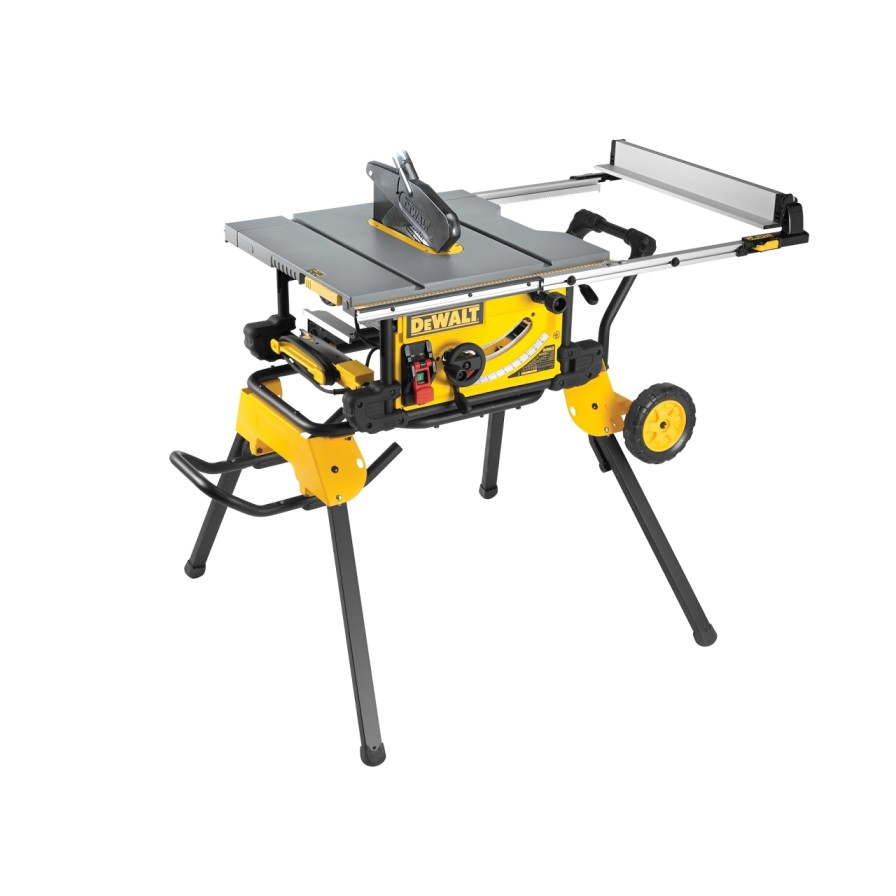
A DeWALT Table Saw is built for fast, repeatable cuts, whether you are trimming sheet goods, ripping hardwood, or making fine joinery. Because accuracy and safety matter on every project, the best choice is the saw that matches your workload, space, and setup, while supporting the accessories you actually use.
What makes a DeWALT Table Saw a smart buy?
DeWALT focuses on jobsite durability, dependable power, and practical adjustability. You get solid fences, clear scales, and controls that encourage consistent habits. As a result, setup becomes simpler and your cut quality stays predictable.
Power and cut capacity
Start by matching the saw to the material you cut most. If you routinely rip thick stock, look for strong motor performance and stable feed. Also consider maximum rip capacity for plywood and panels. When you size cut capacity correctly, you reduce risky workarounds and improve efficiency.
Fence accuracy and repeatability
A table saw is only as good as its fence. A smooth, rigid fence helps you keep the workpiece tight to the guide while you push through the blade. Over time, repeatability saves hours because you spend less time remeasuring and recutting.
Key features to compare before you choose
Shopping becomes easier when you compare the features that affect daily use, not just headline specs.
- Dust collection ports that reduce airborne debris
- Easy blade height and bevel adjustments for quick changes
- Clear measurement scales for repeatable settings
- Strong table support for wide panels
- Storage for tools, guards, and accessories
Blade choice and cutting performance
Choose the right blade for the job. A fine tooth blade improves finish cuts, while a ripping blade clears chips faster. In addition, keep blades clean and sharp so the motor does not strain and the cut line stays crisp.
Safety systems you should not skip
A safe workspace starts with good habits and the right components. Use the guard when practical, keep the riving knife installed, and use anti kickback features correctly. Also wear eye and hearing protection and keep your hands away using push sticks, steady grips, and a controlled stance.
Set up for precision and longer tool life
Even a strong saw needs proper setup. When you dial in alignment and maintain the cutting system, you get cleaner results and fewer surprises.
Align the blade and fence
Verify alignment after transport or heavy use. When the fence and blade run true, you reduce burning, binding, and kickback risk. As a result, you also protect the motor and keep results consistent.
Power management and jobsite electronics
Stable power matters, especially on busy sites. Use quality extension cables and check plugs for damage. If you run other electronics such as sensors, LEDs, or controllers on the same circuit, avoid overloading and keep cords organised. In workshops, upstream contactors in the panel and reliable connectors and switches help reduce intermittent power and nuisance trips.
Accessories that improve control
- Push sticks and push blocks for narrow rips
- Featherboards for smoother feeding
- A miter gauge or crosscut sled for repeatable angles
- Outfeed support for long stock
- A vacuum connection for dust control
Choosing the best DeWALT Table Saw for your use case
For jobsite framing and renovation
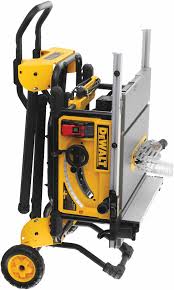
Prioritise portability, fast setup, and fence reliability. Look for a compact footprint that still offers useful rip capacity. Since time matters on site, quick bevel adjustments and onboard storage help you stay moving.
For cabinetry and finish carpentry
Focus on repeatability, smooth adjustments, and stable work support. When you are cutting for tight joinery, you want clean edges and accurate angles. Pair the saw with quality blades, a crosscut sled, and consistent dust extraction.

Practical maintenance that prevents downtime
- Clear dust after each session and keep vents open
- Check the fence for play and retighten if needed
- Inspect the blade for pitch and replace when dull
- Verify the guard and riving knife move freely
- Confirm the power switch works crisply
- Wipe residue and apply light protective oils to prevent corrosion
Keeping small parts ready
On a busy site, small components matter. Keep spare fuses for work lights, dependable connectors for damaged leads, and thermal pads for protecting sensitive electronics in tool cases. If you use smart accessories that include a capacitor, microprocessors, or microcontrollers, store them in sealed boxes away from dust. Keep laptops for plans away from the cutting zone so debris stays out of vents.
Getting cleaner cuts with less effort
Technique matters as much as features. Stand slightly to the side of the blade path, keep the stock flat to the table, and feed at a steady rate. In addition, use outfeed support so you are not lifting the board mid cut. When you combine good setup with consistent technique, the DeWALT Table Saw becomes a predictable tool for daily work.
Summary
A DeWALT Table Saw can be a strong fit when you choose the right balance of cut capacity, fence reliability, portability, and safety features. Set it up carefully, pair it with the right blades and accessories, and maintain it regularly. Then you will cut faster, work safer, and get cleaner results on every project.
