

A Systems-Based Approach to Storage, Transfer and Operational Control
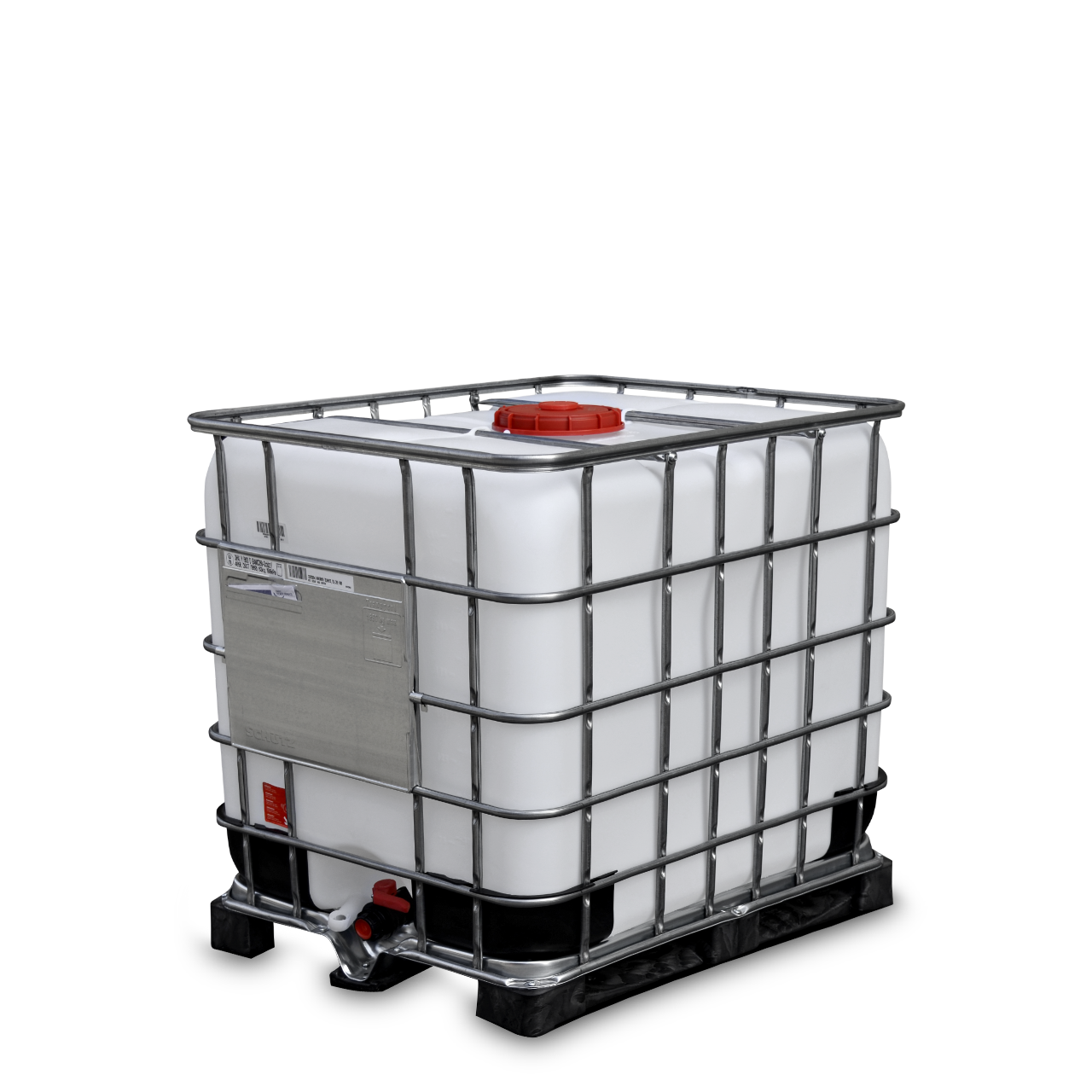
Managing large quantities of liquid requires more than a spacious container. The tank body, outlet valve, closure, pallet base, transfer equipment and storage environment must work together as one controlled system. IBC Tanks provide an intermediate-scale packaging option for compatible liquids used in manufacturing, processing, warehousing and technical operations.
Their space-efficient format can simplify bulk handling, but reliable performance depends on chemical compatibility, correct filling, suitable transfer equipment and disciplined inspection.
Where Do IBC Tanks Fit into a Packaging Strategy?
IBC stands for intermediate bulk container. As the name suggests, an IBC sits between smaller packages, such as cans and canisters, and permanently installed bulk-storage tanks. This format allows organisations to receive, store and dispense larger quantities without immediately transferring the contents into fixed equipment.
A typical composite IBC may include:
- A rigid plastic inner container
- A protective external frame or cage
- A pallet-style base
- A top filling opening
- A lower discharge valve
- Replaceable caps, seals or outlet fittings
- Identification and handling labels
Construction varies between models. Buyers should not assume that every IBC has the same material, outlet, pallet type or regulatory status. The wider Bulk Pack category can help teams compare intermediate containers with alternative large-volume packaging.
Why Can IBC Tanks Make Liquid Handling More Efficient?
The rectangular footprint of many IBC tanks helps make better use of warehouse and transport space than some cylindrical containers. Pallet access can also support mechanical movement using compatible handling equipment.
Operational advantages may include:
- Fewer individual packages to receive and inspect
- Reduced frequency of container changes
- More consistent connection to transfer equipment
- Easier stock identification at pallet level
- Controlled dispensing into production processes
- Lower packaging volume per unit of stored liquid
- Simplified movement between approved work areas
These benefits are only achieved when the facility is prepared for the filled weight and dimensions. Access routes, flooring, racking, lifting equipment and secondary containment must all be evaluated before an IBC is introduced.
How Should Chemical Compatibility Be Assessed?
Tank material should be selected according to the actual contents, concentration, temperature and storage duration. A material that tolerates a diluted solution may not remain suitable for its concentrated form. Compatibility may also change when a liquid is heated or when several substances are blended.
The assessment should include every wetted component:
- Inner tank material
- Outlet valve body
- Valve seat and seals
- Top closure
- Gaskets
- Hoses and connectors
- Pump components
- Sampling equipment
Supplier resistance charts can support initial screening, but they do not replace application-specific testing or professional assessment. Changes in colour, swelling, softening, embrittlement, leakage or seal deformation may indicate incompatibility.
When a smaller approved format would provide better control, Safety Containers offer alternative options for selected laboratory and industrial storage requirements.
What Must Be Checked Before Filling an IBC Tank?
Pre-fill inspection helps identify damage before the container becomes difficult to isolate or empty. The tank should be positioned on a stable surface in an appropriate filling area before work begins.
Operators should inspect:
- The inner container for cracks, distortion or discolouration
- The external frame for corrosion or impact damage
- The pallet base for broken or weakened sections
- The outlet valve for correct operation
- Caps, seals and gaskets for deterioration
- The top opening for contamination
- Previous labels and product identification
- The container’s inspection or certification status
- Compatibility with the planned filling connection
The outlet should be confirmed closed before filling begins. Filling limits must account for liquid density, thermal expansion and the container’s approved capacity. An IBC should not be pressurised unless its documentation explicitly permits the intended procedure.
How Should Liquids Be Transferred from an IBC?
Transfer equipment must match the liquid and the IBC outlet. Flow rate, viscosity, vapour generation, chemical resistance and required dispensing accuracy all influence the selection.
Available Pumps (Hand and Foot Pumps) can support different liquid-transfer workflows. Within this range, Canister Pumps and Barrel Pumps may be considered when the connection, immersion depth and material compatibility suit the container.
Where volatile or chemically demanding liquids are involved, suitable Solvent Pumps can be reviewed. A pump described for solvent handling is not automatically compatible with every solvent, concentration or hazardous area.
A transfer review should address:
- Outlet thread and adaptor size
- Hose material
- Pump wetted components
- Maximum permitted flow rate
- Drip prevention
- Emergency shut-off arrangements
- Earthing or bonding requirements
- Ventilation
- Operator protection
- Residual liquid in pipes and hoses
Connections should never be forced. An incorrect adaptor can damage the valve, create stress on the outlet or produce a leak during dispensing.
Why Are Secondary Containment and Placement Important?
An IBC contains a substantial quantity of liquid, so even a small valve failure can create a serious spill. Secondary containment should be sized and selected according to the contents, container capacity and applicable regulations.
The storage location should protect the IBC from:
- Vehicle impact
- Sharp objects
- Direct heat
- Unapproved sunlight or weather exposure
- Incompatible neighbouring substances
- Uneven flooring
- Uncontrolled drainage
- Excessive stacking loads
- Unauthorised access
Filled IBC tanks should not be stacked merely because their shape permits it. Stacking approval, maximum load and storage conditions must be confirmed from current documentation.
Suitable products within Disposal can support spill collection, waste segregation and containment planning. Spill-response arrangements should be established before the tank is filled or delivered.
How Does Labelling Support Traceability?
The original product identity should remain clear throughout storage and use. Labels must be positioned where operators can read them without moving the tank unnecessarily.
Depending on the application, identification may include:
- Product or mixture name
- Batch or lot number
- Fill date
- Supplier information
- Hazard classification
- Required storage conditions
- Gross and net weight
- Expiry or retest date
- Responsible department
- Status such as approved, quarantined or waste
- Previous inspection date
The Marking category includes labelling and identification solutions that can support organised container management. Labels must be compatible with the surface and remain legible under expected storage conditions.
Old or conflicting labels should be removed or permanently cancelled according to site procedures. An unidentified IBC should be isolated until its contents and history are confirmed.
Can IBC Tanks Be Reused?
Reuse depends on the container design, previous contents, condition, documentation and regulatory requirements. An empty appearance does not mean the tank is clean or free from hazardous residue. Vapours and material trapped around valves can remain after draining.
Before reuse, organisations should determine:
- Whether the container is designed for reuse
- What substance it previously held
- Whether the new product is compatible with previous residues
- Which cleaning method is approved
- Whether the valve and seals require replacement
- Whether formal inspection or pressure testing is required
- Whether the tank remains authorised for transport
- How cleaning waste will be managed
A tank used for one product should not be reassigned casually to another. Reconditioning should be completed by competent personnel following relevant procedures and legal requirements.
When Might a Barrel Be More Suitable?
An IBC is not automatically the best choice for every bulk product. Lower consumption, limited floor space or a need for removable lids may favour another package.
Barrels with a Clamping-Ring Lid can be considered for compatible solids, powders, pastes or liquids when the product specification permits. Their lid design may provide broader access than the filling opening of an IBC.
The decision should compare:
- Required capacity
- Product consistency
- Filling method
- Dispensing frequency
- Access to the contents
- Cleaning requirements
- Pallet efficiency
- Handling equipment
- Transport approval
- Total cost per usable fill
Selecting a container by capacity alone can create problems later if the outlet, opening or handling method does not match the process.
What Should Buyers Confirm Before Ordering?
A structured purchasing review should cover:
- Nominal and permitted filling capacity
- Maximum liquid density
- Inner container and frame materials
- Pallet material and access arrangement
- Top opening specification
- Outlet size and thread
- Valve and gasket materials
- Empty and filled dimensions
- Tare and maximum gross weight
- Stacking limitations
- Chemical-resistance information
- Food-contact status where required
- UN approval for the intended contents and transport mode
- Inspection and reuse requirements
- Suitable pump, hose and adaptor options
- Delivery access and unloading arrangements
- Secondary-containment capacity
- Applicable storage and transport regulations
Approval markings should be reviewed carefully. A UN mark applies to a tested packaging design and defined conditions; it does not make an IBC suitable for every hazardous substance.
Creating a Controlled Bulk-Liquid Workflow
IBC tanks can make bulk-liquid storage and dispensing more efficient when they are treated as part of a complete handling system. Tank construction, product compatibility, outlet design, pump selection, containment and labelling must all support the same application.
A documented inspection routine, controlled transfer method and suitable storage area help protect personnel, materials and facilities. By assessing the entire workflow before purchase, organisations can use IBC tanks to improve space utilisation and liquid availability without compromising operational control.
