

Selecting a Container System Around Contents, Capacity and Workflow
A container may appear simple, yet its material, shape and neck design can directly influence storage efficiency and day-to-day handling. Canister Bottle options provide compact HDPE containers for carefully assessed laboratory, production and packaging workflows. Choosing correctly means treating the bottle, closure, contents and operating conditions as one system rather than selecting by volume alone.
What Is a Canister Bottle?
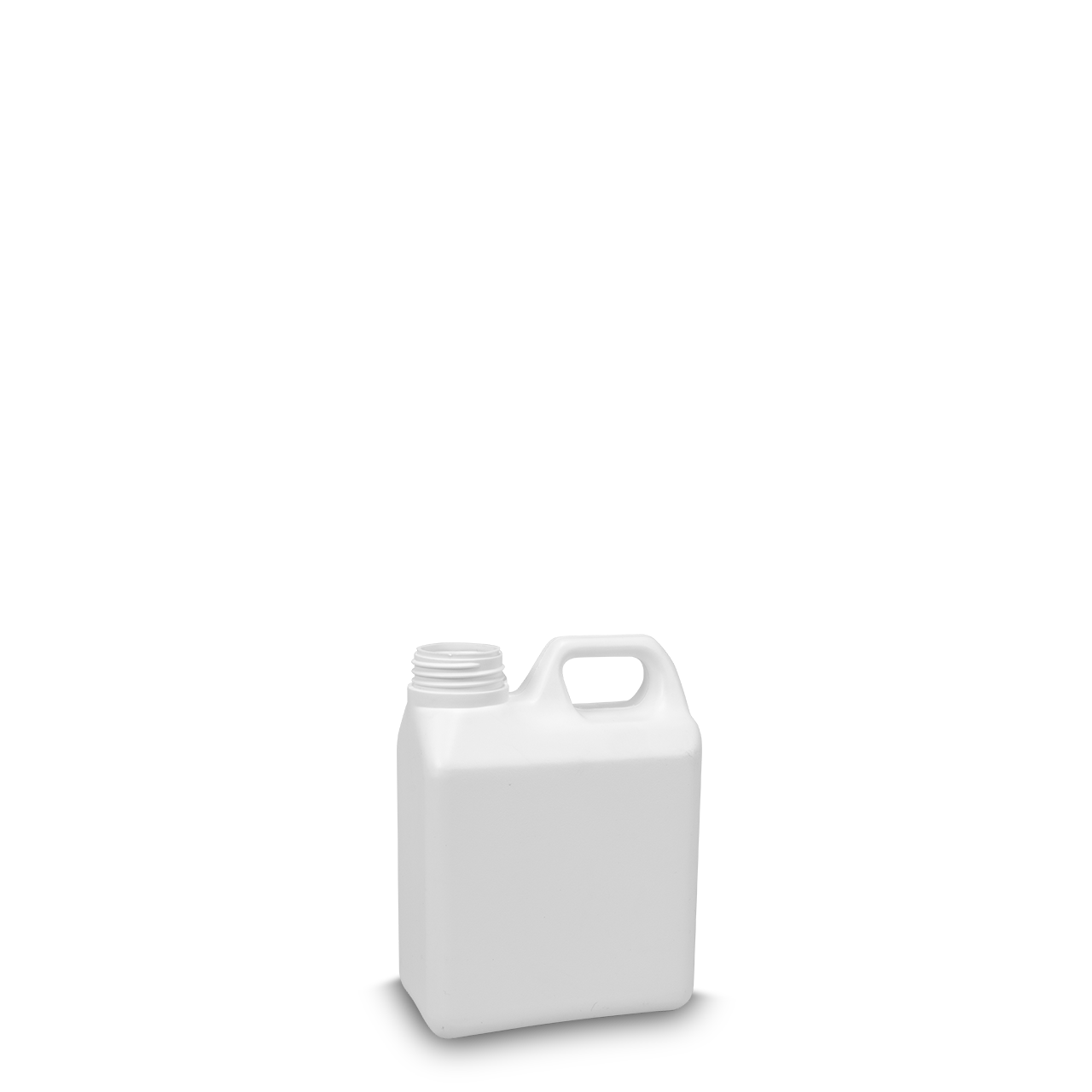
A canister bottle combines a defined bottle neck with a broader, often rectangular body. This format can provide a stable base and space-efficient profile for filling, storage and pouring, particularly where round bottles leave unused space on shelves or in cartons.
The current selection includes square HDPE formats in 1,000 ml and 1,500 ml capacities, with natural, white and black variants represented. The listed products use a 40 mm threaded neck. These details help narrow the choice, but users must still verify the container against the intended contents and process.
Why Can Shape Matter in a Working Environment?
Square or rectangular containers can sit closely together, reducing unused space between packs. Flat sides may also provide a practical area for labels and make the container easier to position consistently during filling or inspection. A broad base can support stability when the bottle is placed on a bench or storage surface.
Shape can also affect pouring and grip. Users should assess the filled weight, control with gloved hands and whether the neck permits accurate transfer. A space-efficient container is not automatically suitable for every dispensing method.
What Should Buyers Know About HDPE?
High-density polyethylene, abbreviated HDPE, combines low weight with useful impact resistance and moisture-barrier behaviour. It can accommodate many substances, but it is not universally resistant to every chemical, concentration or temperature.
Compatibility should be checked using supplier guidance and representative storage trials. Evaluation may need to consider swelling, softening, stress cracking, permeation, colour change and loss of mass. The closure and liner can respond differently from the bottle body, so approving HDPE alone does not qualify the complete pack.
How Do Capacity and Colour Influence Selection?
Capacity should match both the batch size and the way the contents will be consumed. A larger bottle may reduce filling frequency, while a smaller volume can limit open-container time and make handling easier. Users should also account for required headspace rather than assuming that nominal capacity equals the correct fill quantity.
Natural HDPE can make the approximate content level easier to observe, subject to wall thickness and the appearance of the liquid. White or black containers may be selected for visibility, identification or process organisation. Colour must not be treated as proof of light protection unless the relevant transmission performance is documented for the specific bottle.
Why Must the Bottle and Closure Be Specified Together?
A threaded neck only identifies part of the connection. Thread standard, diameter, liner, sealing surface, torque and tamper-evident features can all influence integrity. Users reviewing alternative container sizes within the broader Canister range should ensure that closures and dispensing accessories remain compatible with the chosen neck finish.
Suitable Closures for Plastic Canisters may support controlled dispensing or tamper evidence where their dimensions and materials match the container. Compatibility should be confirmed using exact specifications rather than appearance alone. An incorrectly matched cap may engage the thread yet still leak, loosen or damage the sealing surface.
How Should Filling and Headspace Be Controlled?
Filling procedures should consider liquid temperature, foaming, density and expansion during storage. Overfilling can wet the neck and reduce space for thermal expansion. Underfilling increases unused volume and may be unsuitable for atmosphere-sensitive products.
The fill level should be defined by the product and packaging assessment. Where accuracy matters, teams can use controlled weighing or volumetric methods and record acceptable limits. The outside of the bottle should remain clean and dry before labelling, storage or transfer.
What Supports Clear Identification and Traceability?
Labels should remain legible and securely attached under the expected storage conditions. Information may include the contents, concentration, batch or lot, fill date, responsible operator, hazards, expiry or review date and storage instructions. Required details depend on the application and local regulations.
Colour coding can support organisation but should not replace written identification. A black, white or natural bottle may be reused across different workflows, and relying on colour alone creates avoidable ambiguity. Batch records should connect the contents with the exact container and closure specification where packaging performance is important.
How Can Container Condition Be Inspected?
Inspection before filling can identify distorted necks, damaged threads, contamination, cracks or foreign material. After closure, checks may include cap position, tamper feature engagement, external cleanliness and evidence of leakage. Representative filled packs can also be evaluated after storage at expected temperatures.
Reuse should not be assumed because a bottle looks undamaged. Previous contents, cleaning agents and mechanical stress may affect performance. Organisations should document a single-use or reuse policy based on compatibility, cleanliness and risk.
What Should Buyers Confirm Before Ordering?
A practical review should cover:
- Bottle material and colour
- Nominal and approved fill capacity
- External dimensions and storage footprint
- Neck size and thread specification
- Closure, liner and tamper-evident compatibility
- Chemical and temperature suitability
- Pouring or dispensing requirements
- Labelling surface and traceability needs
- Transport and regulatory obligations
- Pack quantity, cleanliness and storage conditions
Building a Reliable Container System
Canister bottles can support efficient storage and controlled handling when their material, geometry and closure are matched to the real workflow. The strongest selection process verifies chemical compatibility, fill level, neck specification, operator handling and identification together. Documented inspection and realistic filled-pack testing then help turn a compact container into a dependable part of the packaging process.
